Offset Well Monitoring Has Changed... Have You Changed Your Approach?
Offset Well Monitoring (OWM) has played an important role in completion operations, for many many years.
Monitoring nearby wells, watching pressure behavior, identifying changes, and determining whether a well was responding to activity happening elsewhere on the pad...it's objective and has always been fairly straightforward.
This approach made absolute sense when data was more limited and operations were less connected; however completions have changed over time.
Engineers can now access information from virtually anywhere...and with today's teams asked to manage more wells, more data, tighter spacing, more complex stimulation programs, and increasingly demanding operational timelines, the sheer volume and complexity of that information has made it harder to see what actually matters at times.
And with this evolution, a critical question has been raised:
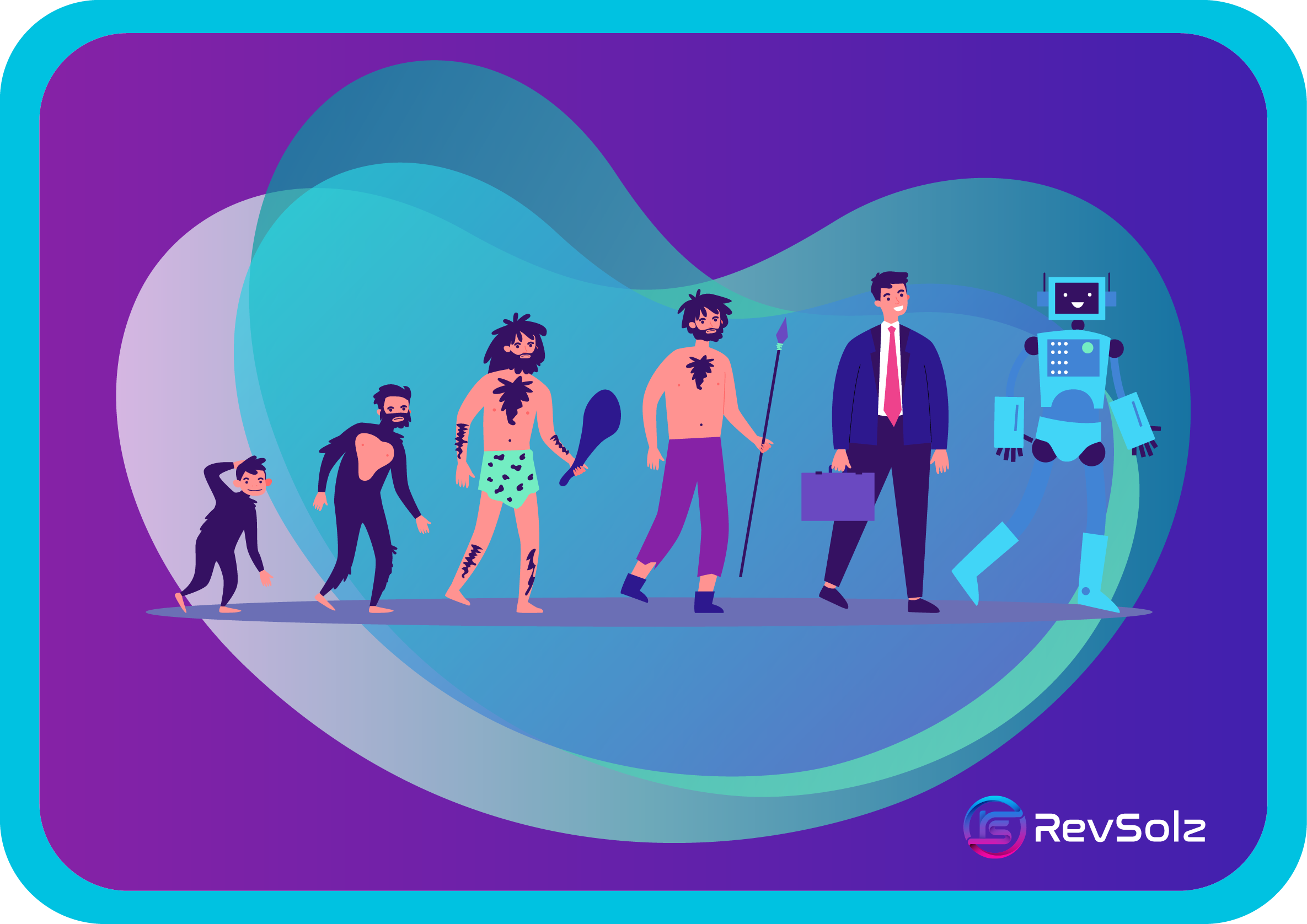
If completion operations have changed, why should Offset Well Monitoring not change as well?
OWM Is About More Just Than Watching Pressure
While pressure remains one of the most important indicators of offset well behavior—a pressure trace by itself hardly tells the entire story...
>What happened before the response?
>What was happening on the treatment well?
>Was the response isolated or part of a broader trend?
>How did the surrounding wells behave?
And, perhaps the single most important question: Was anyone able to see and understand those changes while the operation was still underway?
Today's modern OWM needs to do more and provide that context.
The goal is no longer to simply collect more layers of data, but rather make relevant information continuously accessible and easier to understand...while conditions are changing.
This is a significant shift: OWM is progressing from a passive monitoring tool, towards one focused on active operational awareness.
What Does Modern OWM Need to Look Like?
For today's operations environment, effective OWM should make it easier for completion teams to see the bigger picture without creating an extra layer of complexity.
This means providing the following capabilities:
• High-resolution data to capture meaningful changes in well conditions
• 24/7 cloud-based access so engineers and field teams can access information wherever they are
• Interactive visualization that turns complex datasets into information people can interpret quickly
• Real-time annotations that allow teams to add context as events occur
• Mapping capabilities that provide a clearer understanding of monitored wells and their relationship across the operating area
• Intelligent notifications that help bring meaningful changes to attention without requiring someone to stare at every ounce of data
Individually, these features are certainly useful...however when put to use together, they create something much more powerful: context.
It's this context that turns monitoring into critical understanding.

Connecting OWM Into One Unified Environment
This is the rationale and design behind FracSol OWM from RevSolz.
Rather than treating Offset Well Monitoring as an isolated data-collection exercise, FracSol OWM brings monitoring, visualization, mapping, notifications, and operational context together in a cloud-based environment.
This gives teams an increased connected view of what's occuring around their offset wells as completion activity moves forward.
Instead of having to jump between systems, searching through historical information, or waiting on reports to provide context, engineers can now access the information they need in one, single environment.
The benefit isn't simply having more information on screen—it's fundamentally reducing the friction between identifying a change and knowing what it may mean.
Visibility Is Only Valuable If It Can Be Used
There is an important distinction that must be made between having "visibility" and being "able to use" that visibility effectively.
A team can have access to thousands of data points, but still struggle to decipher the information that deserves the most attention. Modern monitoring should make that process much easier.
Because when changing conditions are visible, relevant events are highlighted, and operational context is made available alongside the data... teams become better equipped to investigate what's happening and make informed decisions.
This is especially important as completion programs become more sophisticated.
The more interconnected an operation becomes, the more valuable it is to understand what's occurring beyond the treatment well itself.

The Next Evolution of Offset Well Monitoring
The basic fundamentals of OWM remain the same...teams still need to understand what is happening around active completion operations.
What has changed is the innovations in technology now available.
Today's operators don't need to settle for just watching a pressure trace, and then figuring out the circumstances surrounding it later.
They now have an opportunity to create an environment that gives engineering and field teams enhanced visibility while operations are unfolding...a more connected, accessible, and intelligent monitoring environment.
At RevSolz, we believe this is the direction we Offset Well Monitoring is headed: More time understanding, less time searching.
The value of monitoring isn't measured by the amount of data collected—it's measured by how accurately that data can help you understand the events happening around your wells.
So, here's the question for completion teams:
Has your approach to Offset Well Monitoring evolved at the same pace as your operations?
Follow RevSolz Corp on LinkedIn for more practical insights into completion technology, operational intelligence, and the tools helping engineering teams make better-informed decisions in real time.